Stepping 2025 with UN Resolution on SSE. Is your country ready?
Issues such as the lack of social protection in informal majority economies;
The September session focused on research, evidence, monitoring, and impact evaluation for SSE initiatives. The discussion examined how organisations can move beyond reporting activities and outputs to build stronger evidence of the changes their initiatives create in communities over time.
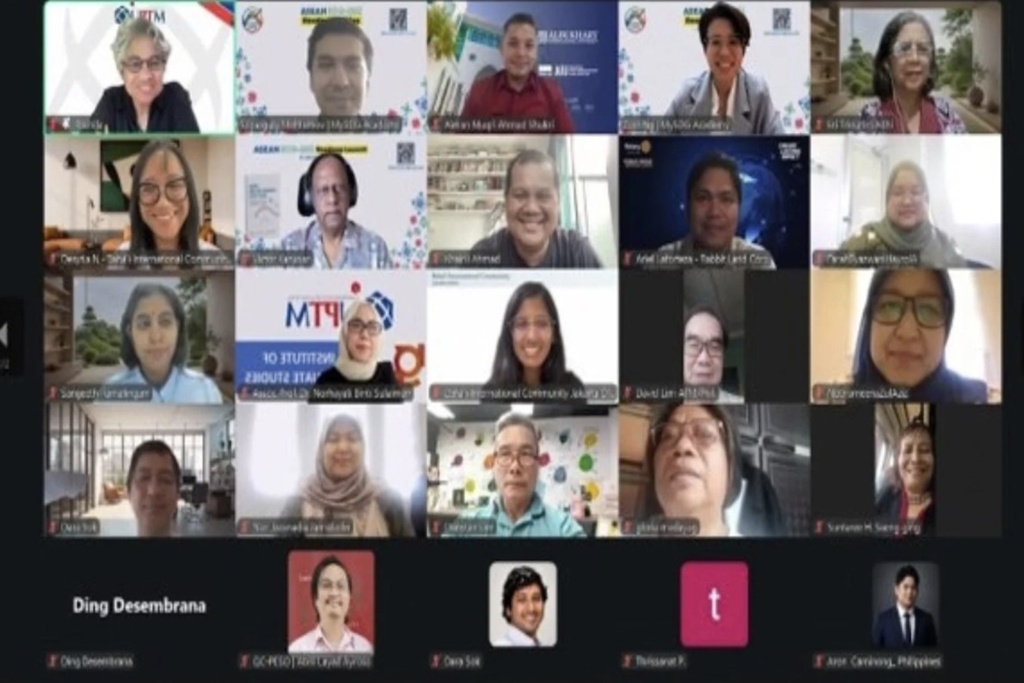
The sharing sessions were led by Mr. Aiman Muqri, Deputy Director of the Center for Community and Industry Engagement at Albukhary International University (AIU), and Professor Dato’ Dr. Rashila Ramli, Deputy President of the Malaysian Social Science Association (PSSM).
Aiman shared how community initiatives can strengthen their evidence base by examining four levels of results: activities, outputs, outcomes, and long-term impact. He also emphasised the importance of involving communities from the outset, collecting practical evidence from the beginning, and using findings to inform and improve future decisions.
Prof. Dato’ Dr. Rashila discussed monitoring and impact evaluation, highlighting the need to shift from reporting for compliance to learning for improvement. Drawing on the experience of APPGM-SDG, she explored results frameworks, participatory evaluation, capacity building, and feedback loops as important elements of effective impact measurement and learning systems.
The open discussion featured additional reflections from Dr. Eri Trinurini (Indonesia), Dr. Victor Karunan (Thailand), and Dr. Khairil Ahmad (Malaysia). Their contributions underscored the importance of community ownership, meaningful participation, and flexible systems in ensuring that initiatives remain relevant and sustainable beyond the funding period.
The meeting also covered:
• Progress updates on the ASEAN SDG–SSE Roadmap;
• Research and evidence sharing by AIU;
• Approaches to monitoring and impact evaluation;
• Q&A and open discussion; and
• Preparations for the October ASEAN Partners Meeting.
The broader ASEAN SDG–SSE Roadmap continues to advance work across five key areas, popularising SDG–SSE, strengthening partnerships, building data systems, enhancing capacities, and engaging grassroots communities and youth.
A key takeaway from the September discussion was clear: impact is not measured simply by how much activity is delivered, but by whether meaningful change can be demonstrated, understood, and sustained over time.
For organisations working in the social economy, stronger evidence and evaluation are therefore more than reporting requirements. They are essential tools for improving programmes, strengthening community ownership, informing future decisions, and creating more sustainable impact.
More information and perspectives on this subject
Issues such as the lack of social protection in informal majority economies;
A message for the launch event of Citizen Action for the Normalization of Seoul City Government
Decoding the Differences Between Social and Solidarity Economy (Sse), Social Entrepreneurship, and Related Initiatives